
Choosing Musicals for Today’s Audiences
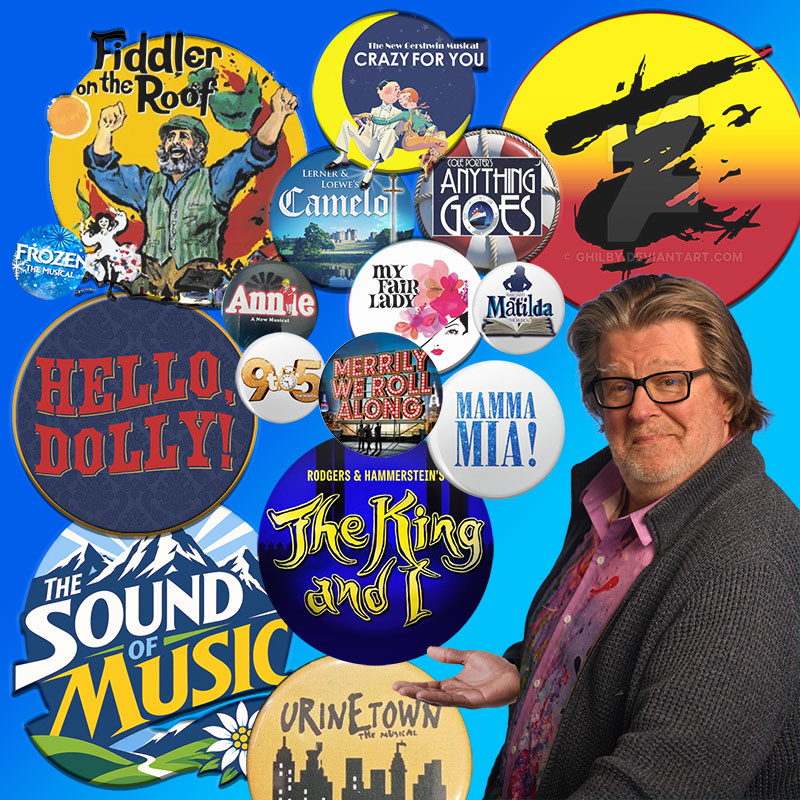
Boy, do I love musicals. It’s a good thing, too, because as Artistic Director of South Bay Musical Theatre, producing three major musicals a year and soon to expand to four, I spend plenty of nights trying to figure out the right mix for our season. Sometimes the answer seems obvious: pick a Rodgers and Hammerstein classic with a cast full of children and nuns, and watch the ticket sales roll in. I can program The Sound of Music every three years and expect tremendous sales. But that hardly fulfills our mission to pursue excellence, engage our community, and explore the art form.
 The first challenge is the sheer scale of many Broadway successes. I have great respect for Miss Saigon, but I still don’t know how to land a helicopter on the Saratoga Civic Theater stage. Older musicals present a different problem. Shows from the 1940s, ’50s, and ’60s often featured enormous dance ensembles, with singing and dancing handled by different groups of performers. One of my recurring headaches at SBMT is finding enough talented male dancers to fill out the choreography. I don’t enjoy watching people struggle through routines beyond their abilities, and I’m grateful for choreographers like Esther Selk, who know how to make performers look good without asking them to do the impossible. Our goal is to create exciting theatre with the people we have.
Then there are the practical demands. SBMT prides itself on live orchestras and beautiful costumes, whether elegant formalwear or the weathered garments of Les Misérables and Fiddler on the Roof. Musicians, instruments, fabric, and construction all cost money, and our budgets require ingenuity. I love the sound of a full orchestra launching into a Broadway overture, especially when the musicians are visible to the audience. A 20-piece orchestra in full view creates a rich, unmistakably live sound. It complicates matters for our sound designers and box office, but I think it’s worth doing every few years. You’ll see us try it with our upcoming production of South Pacific.
The biggest challenge, though, may be what I call the “butt-in-seats” problem. Audiences gravitate toward shows they know or shows featuring people they know. Fiddler on the Roof offers a familiar title, a large ensemble, and plenty of performers who can invite friends and family. It’s on my wish list, and I intend to produce it as soon as possible. But younger people may never have heard of Hello, Dolly!, Damn Yankees, or even South Pacific, and may assume anything written before they were born must be boring. Some longtime patrons, meanwhile, have proven less enthusiastic about unfamiliar shows or titles like Urinetown, regardless of the production’s quality. I also suspect more than a few would prefer that shows featuring amplified electric guitars stay far away from the theatre. My experience with No, No, Nanette was a useful lesson. I thought this nearly century-old musical was a sure hit, but its reputation didn’t translate into the audience response I’d expected. Familiarity helps, but it doesn’t guarantee success.
I also want our seasons to reflect the community we serve. SBMT needs to produce more musicals that authentically represent the lives of Asian American, African American, and Latine members of our community. That means examining the stories themselves, not simply diversifying the casting. I’d love to produce The King and I, one of Rodgers and Hammerstein’s great achievements, but I struggle with its portrayal of the King as a figure of childish ignorance and Anna as a white savior. Older musicals can contain extraordinary music and craftsmanship while presenting people and cultures in ways that warrant serious scrutiny. In contrast, newer musicals may lack the name-brand recognition necessary to justify the expense. Some productions will delight certain audience members and trouble others. We have a responsibility to wrestle with those questions.
As I look toward SBMT’s 65th season and beyond, I’m thinking about a three-part balancing act. First, I want a proven classic by a composer or team such as Gershwin, Cole Porter, Rodgers and Hammerstein, or Lerner and Loewe. These works are part of our theatrical heritage. Second, I want a musical with plenty of dancing, because our audiences love it. That means finding the right show, choreographer, and performers, including enough men willing to audition. Finally, I want a contemporary musical, preferably from the 21st century, that broadens our understanding of what musical theatre can be. Since becoming Artistic Director, I’ve had successes, disappointments, and plenty of lessons. Each production teaches me something about our audiences, our artists, and the possibilities of this organization.
I’d love to hear from you as we plan SBMT’s future. What classic musical have you always wanted to see on our stage? What contemporary show surprised you or changed your mind about musical theatre? What stories would you like to see represented? See a show you don’t already know, bring a friend, and tell us what you think. Community theatre thrives when audiences are willing to take chances alongside the artists who make it happen. My job is to balance our traditions with new possibilities, and your curiosity and enthusiasm can help make SBMT’s next chapter our most exciting yet.
— Walter M. Mayes, Artistic Director
Leave A Comment