

 What is the sound of an urban neighborhood? Walk down a busy block and you feel the tempo of daily life, the negotiations, the humor, the hustle. Music spills from open windows. Multiple languages overlap on the corner. People move with focus, chasing something just out of reach. In the Heights draws directly from that environment. It centers a neighborhood where ambition and obligation coexist, where pride meets pressure, and where the choice to stay or leave is never simple. That friction gives the piece its energy.
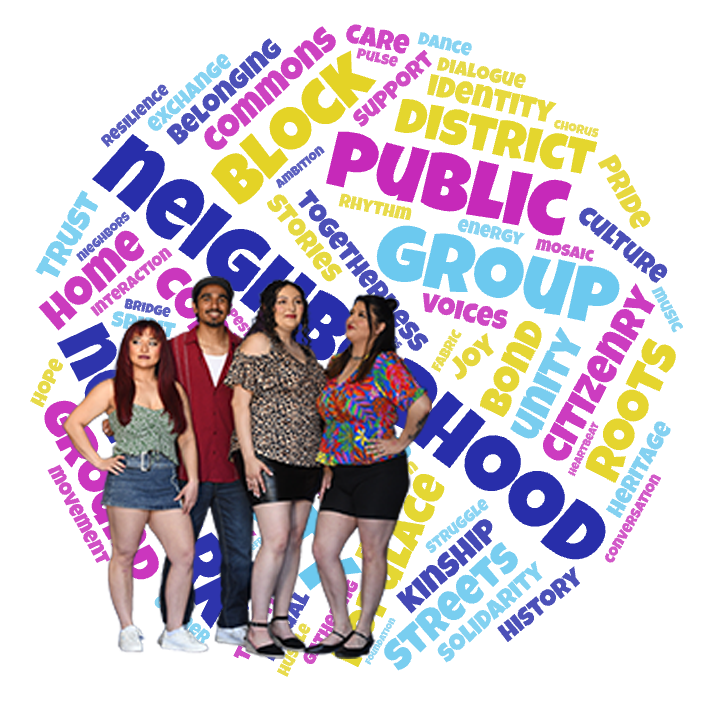 Created by Lin-Manuel Miranda and Quiara Alegría Hudes, In the Heights marked a shift in contemporary musical theatre. Set in Washington Heights, it broadened what Broadway sounded like and whose stories were centered. The score blends hip-hop, salsa, and traditional forms in a way that reflects lived experience rather than style for its own sake. The storytelling follows the same logic. There is no single narrative line carrying the piece; lives intersect, overlap, and move forward together. The community itself drives the action.
For SBMT, producing In the Heights reflects a set of priorities. Our cast of 30 includes a large number of artists working with us for the first time, close to two-thirds of the company. That has a real effect on the room. New collaborators shift the dynamic. They bring different instincts and points of reference, and the work benefits from that exchange. In a show grounded in questions of belonging, widening participation is not symbolic. It is necessary. The process of building this production has mirrored the story it tells.
The questions at the center of In the Heights are similar to those of classic musicals like Fiddler on the Roof. What defines home when it is shaped by both memory and cost? What does success mean if it requires distance from the people who formed you? These are not new questions, and the show does not try to resolve them neatly. Its strength lies in sitting with them. That is where theatre does its most meaningful work: making space for recognition, for tension, and for connection.
As Artistic Director, I spend a great deal of time thinking about how our work reflects the community around us. This production brings that into focus. Watching this group come together, many stepping onto our stage for the first time, has been instructive. The most interesting part of the process has not been a single moment in rehearsal or performance. It has been the gradual formation of a shared language among the company. That takes time, and it is visible as it happens. This production sits in the middle of that shift. It speaks to what the theatre is becoming as much as what it presents.
A production like this extends beyond the stage. It invites response, conversation, and reflection. I encourage you to join us in that spirit. Engage with the work, bring someone with you, and take the time to talk about what you’ve seen. Stay afterward and continue the conversation in the lobby. This is not only a performance. It is an opportunity to gather and consider who we are, together.
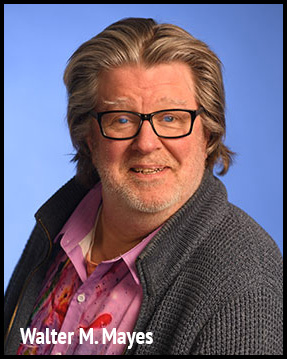
Walter M. Mayes, Artistic Director

Leave A Comment